- SOCIOBIOLOGY: the study of social behavior
- Social behavior: behavior that influences the behavior of other individuals
|
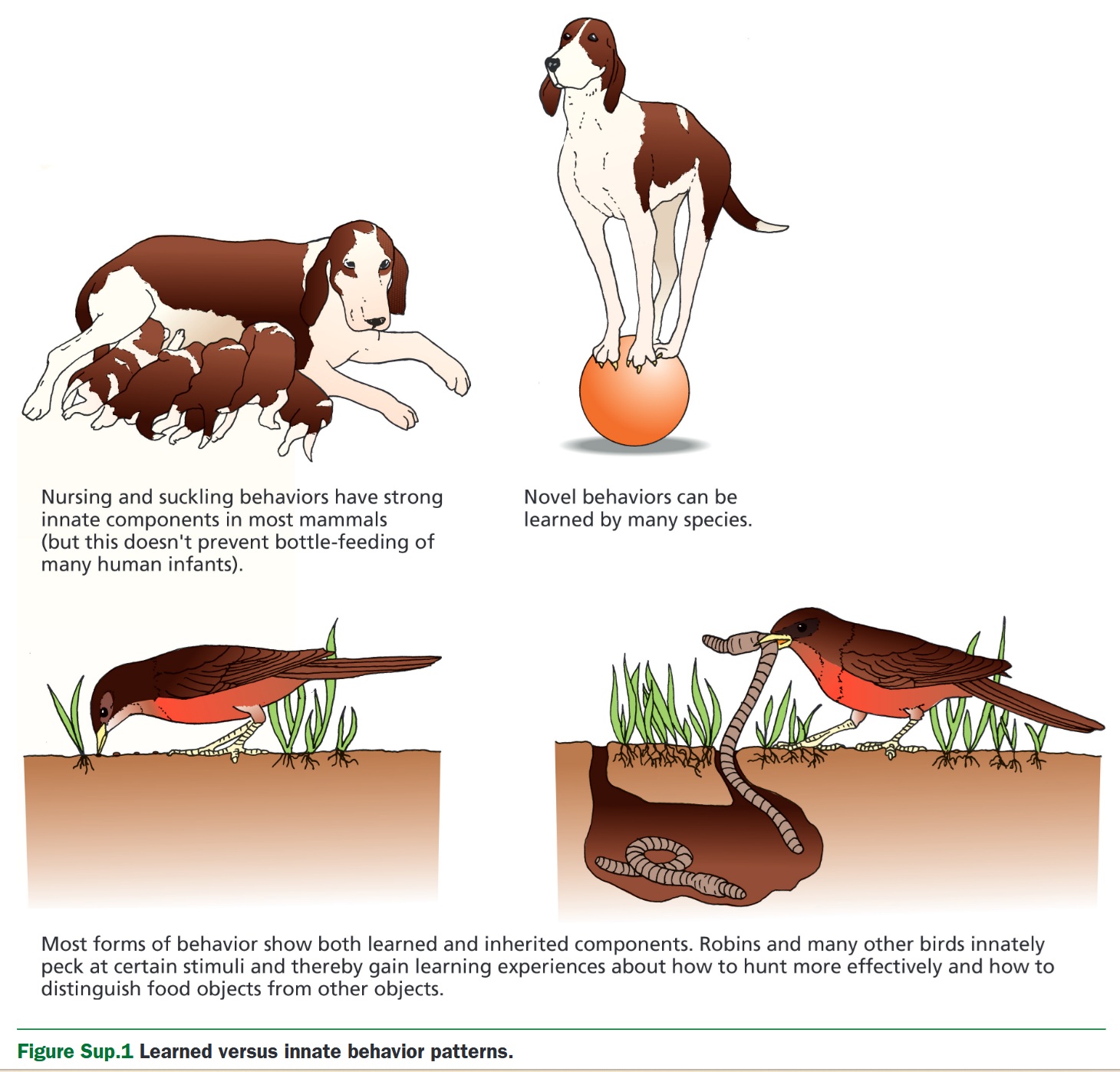
- Learned vs inherited behavior
- Paradigm of sociobiology
- Social behavior evolves, but only in terms of its inherited components.
|
- Rersearch methods: Diff. in rearing; Diff. genetic strains; Adoption studies; Twin studies
- Instincts: behavioral components genetically programmed from birth
mating behavior territorial behavior
- Social organization is adaptive
- Advantages vs disadvantages of social groups:
- Predation; infectious diseases
- Finding food; finding a mate
- Simple forms of social organization: flocks vs heirarchies (w/ dominance)
- Altruism: an evolutionary puzzle: behavior that benefits others, but at a fitness cost to the performer
- Group selection; kin selection; reciprocal altruism (TIT for TAT); PAVLOV
- Eusociality and its evolution: overlapping generations; cooperative blood care
- The Dawkins-Wilson debate
- Reproductive strategies can alter fitness
- Asexual vs sexual reproduction
- Differences between the sexes (isogamy; anisogamy)
- Mating systems: monogamy; promiscuity; polygyny; polyandry
- Primate sociobiology: added complexities
- Primate social behavior amd its development
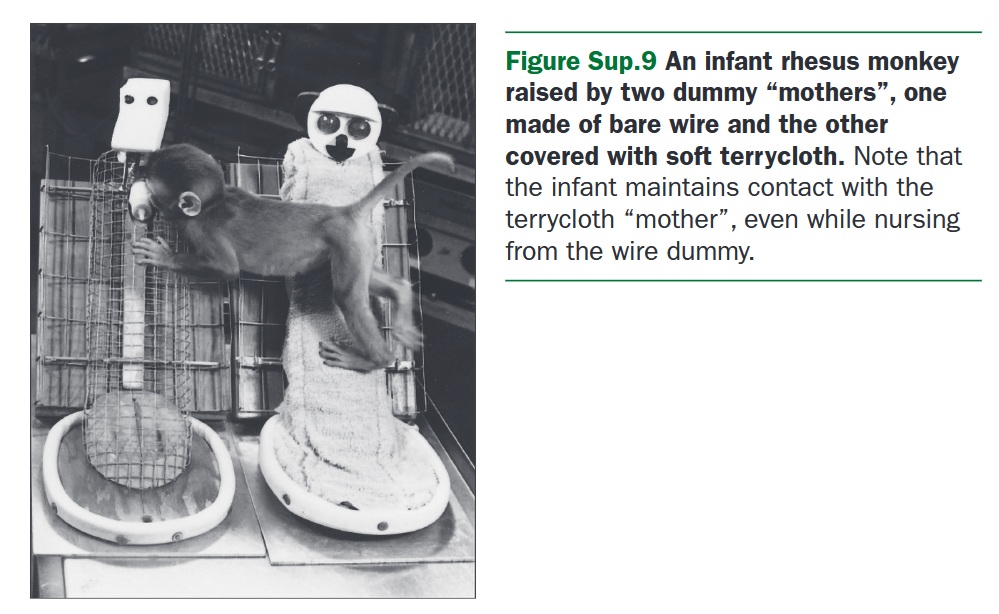
- Great need for maternal care-- Harlow's experiments
- Rough-and-tumble play
- Grooming
- Reproductive strategies among primates
- Some examples of human behaviors:
- aggression;
- alcoholism: Type I (late onset, both sexes, more treatable);
Type II (ealy onset, male, aggressive/criminal, less treatable, possibly more genetic per adoption studies)
- homosexuality (possibly a small genetic component, but adoption studies are difficult)
- gender dysphoria, transgenderism: inadequate study
|